
You can make changes now to enhance egg quality to lead to a successful pregnancy
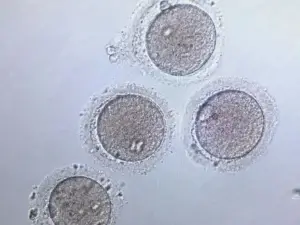 Whether you are trying to conceive naturally, or prepping for an egg retrieval for IVF, your focus should be on enhancing egg quality to conceive. Lifestyle changes and taking targeted supplements can help optimize egg health. Additionally, find ways to lower your emotional stress levels during this critical period.
Lifestyle changes for enhancing egg quality to conceive
Improving egg quality can take time, so we suggest you start planning at least three months before you want to try to get pregnant or will undergo an egg retrieval. This is about how long it takes for an immature egg to mature in your ovaries. During this 90-day period, there are many things you can do to optimize the reproductive environment your eggs will mature in:
- Optimize Your Diet: Skip processed foods high in carbohydrates and emphasize foods high in antioxidants, whole grains, leafy greens, healthy fats, and lean proteins. Focusing on anti-inflammatory eating will help stabilize your blood sugar and support cellular health. Research from the American College of Obstetricians and Gynecologists (ACOG) found that protein-rich, low-carb diets with full-fat dairy products and minimal trans fats and simple sugars can improve fertility by rebalancing hormones, reducing inflammation, and getting more of the nutrients needed to support egg quality. We’ve recorded a great podcast episode, Episode 8: Diet & Fertility, that can get you on the right track.
- Avoid Alcohol, Cigarettes, Marijuana and Vaping: Along with following a fertility-friendly diet, you should also largely abstain from alcohol and smoking. Evidence is conclusive that heavy drinking, smoking cigarettes and marijuana diminishes ovarian reserve. And while the jury is still out on vaping, we think it best to avoid introducing any unknown chemicals into your body during this critical time of egg development.
- Get Good Sleep: Don’t forget about how important sleep is to your body. While we don’t understand the complete relationship between sleep and reproduction, we do know that the same part of our brain that regulates hormones responsible for our sleep-wake cycle also triggers the release of reproductive hormones. As a result, lack of sleep could interfere with the hormones linked to many of our reproductive processes.
- Get Moving: Exercise is also important, and the good news is that you don’t need to go all out to achieve improved ovarian function. Researchers have found that moderate, low-impact movement for just five hours per week leads to the best fertility outcomes. Heavy, strenuous exercise can sometimes cause ovulation issues. So, think Pilates, yoga, and hiking rather than training for a marathon. We have another great podcast episode on this subject, Episode 16: Exercise and Eggs.
- Avoid Endocrine Disruptors: Endocrine disruptors—found in plastics, makeup, ATM and cash register receipts, pesticides, food, detergent, toys, and sometimes in the air we breathe and water we drink—have a negative impact on egg quality. To avoid toxins that can harm egg quality, it’s a good idea to:
- Check your skincare, makeup, and hair care to make sure they are free from BPA (Bisphenol A), parabens, and phthalates.
- Avoid pesticides by thoroughly washing produce.
- Use only glass food storage containers and never heat food in plastic containers.
- Dust your home often to pick up pollutants and chemicals that leach out of everyday products like furniture and clothing.
- Consider purchasing a water filter and air purifier.
Consider targeted supplements to provide a healthy egg environment
Adding supplements can support energy production in developing eggs. While you should consult with your doctor before starting any supplement regimen, the following are some commonly recommended that support egg development:
- Coenzyme Q10 (CoQ10/Ubiquinol): Enhances mitochondrial energy production within the egg, which is critical for healthy fertilization and embryo development (stop this once you get pregnant).
- Prenatal Vitamin & Folate: Vitamins and especially folic acid help prevent oxidative damage and support cell division in a growing embryo.
- Omega 3 Fatty Acids: Typically found in fish oil supplements, omega 3 helps regulate hormones, lower inflammation, and supports cell health.
- DHEA: Usually suggested for those over 35, this supplement helps improve egg quality.
Consider stress management and acupuncture for enhancing egg quality
Your emotional and mental well-being should never be ignored, especially when you are prepping your body for something as important as a pregnancy. While going through fertility treatment can be emotionally and physically taxing, take time to nurture yourself. Engage in activities that bring you joy and practice relaxation techniques. Consider joining a support group or seeking therapy if things start to feel overwhelming.
Yoga and meditation are excellent ways to refocus and bring your stress levels down. Additionally, acupuncture can be a complementary treatment for fertility. Acupuncture is not only a way to lower stress and reduce depression when you’re trying to get pregnant, it has also shown some promise for boosting fertility. Proponents say it can help by increasing blood flow to reproductive organs, specifically the ovaries where eggs mature. Acupuncture may also help regulate the menstrual cycle by balancing hormones produced in the hypothalamus, pituitary and ovaries.